

Low water pressure can make daily routines—from showering to washing dishes—time-consuming and frustrating. For many Southern California homeowners, weak water pressure is a common issue caused by the region’s aging infrastructure, mineral-heavy water, and seasonal droughts. Understanding what’s behind low water pressure and how to fix it can help restore your home’s comfort and efficiency.
Common Causes of Low Water Pressure in California Homes
1. Mineral Buildup in Pipes
Southern California water often contains high mineral content, especially calcium and magnesium. Over time, these minerals settle inside your plumbing, narrowing water flow. Homes in Los Angeles, Orange County, and Long Beach with older galvanized pipes are especially prone to this buildup.
Solution: Schedule a professional plumbing inspection near you to check for scaling and corrosion. In some cases, hydro jetting or repiping may be necessary to restore normal pressure.
2. Clogged Aerators or Showerheads
Sometimes, the issue is as simple as buildup on your faucet aerator or showerhead. Mineral deposits can block the small openings, reducing flow and causing uneven pressure between fixtures.
How to fix it:
- Unscrew and clean aerators or showerheads with vinegar overnight.
- Replace old or corroded fixtures if cleaning doesn’t help.
- Consider installing water-softening systems to prevent future buildup.
3. Leaking Pipes or Fixtures
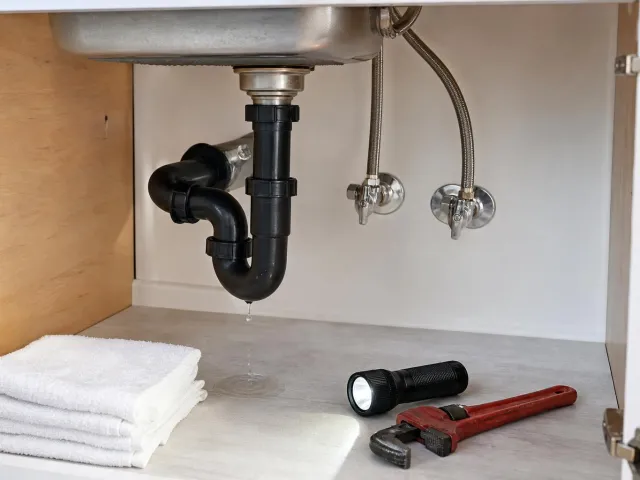
Even a small leak diverts significant water from your fixtures, leading to lower pressure. Wet spots, mold growth, or unexplained increases in your water bill may signal hidden leaks.
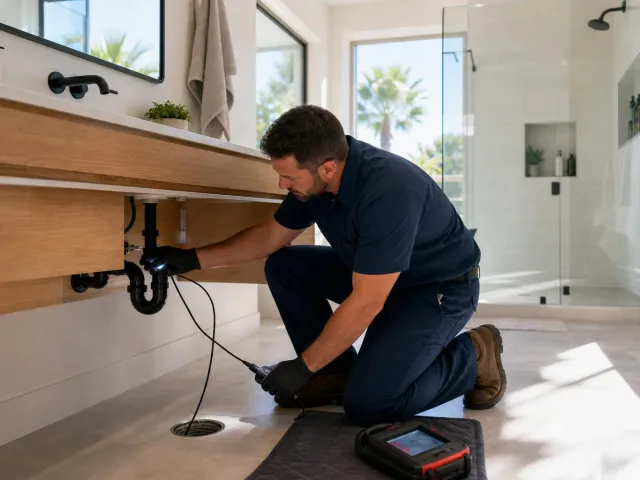
Tip: Check visible pipes under sinks and around outdoor spigots for moisture. If you suspect hidden leaks behind walls or underground, call a licensed plumber for a plumbing inspection.
4. Pressure Regulator Failure
The pressure regulator, usually located near your water meter, controls the flow of water entering your home. A malfunctioning regulator can cause sudden drops—or even surges—in pressure.
Action Steps:
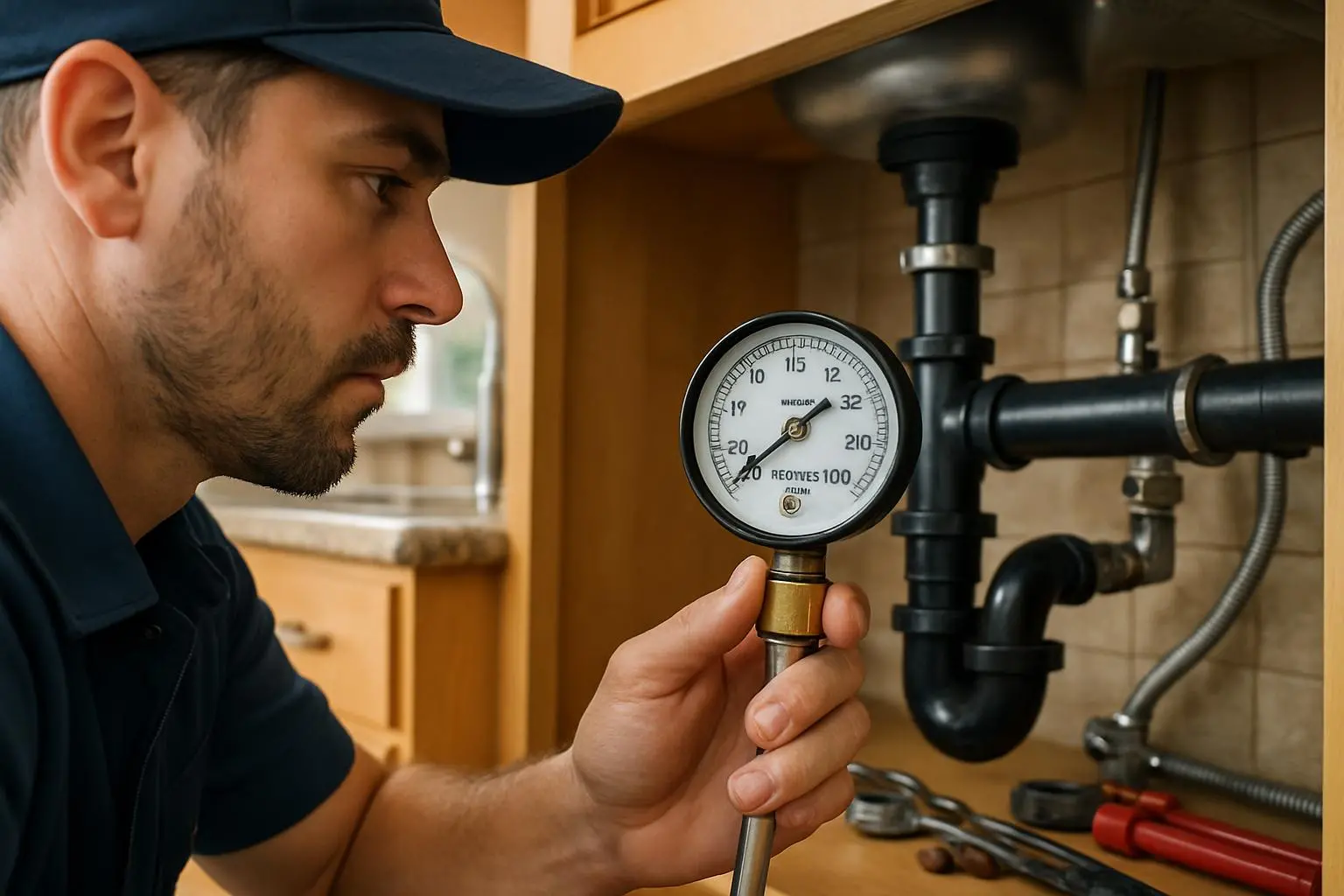
- Locate and test your pressure regulator with a gauge (available at most hardware stores).
- If readings are below 40 psi, replacement may be needed.
- Always trust a licensed professional to handle regulator repairs safely.
5. Corroded Pipes in Older Homes
Homes built before the 1970s often have galvanized steel pipes that corrode internally. This corrosion restricts flow, often causing consistent low water pressure throughout the house.
Solution: During a plumbing inspection near me, your plumber can perform a pressure test and recommend repiping solutions. Copper or PEX piping is a great long-term solution for Southern California homes.
How to Increase Water Pressure Safely
Once you’ve identified the root cause, improving your home’s water pressure becomes easier. Here are a few effective ways:
- Clean or replace clogged fixtures regularly.
- Install a whole-home water filtration system to minimize mineral buildup.
- Repair leaks promptly to maintain water efficiency.
- Schedule annual plumbing maintenance to catch early signs of pressure loss.
- Consult a professional for an increase water pressure evaluation if DIY methods don’t help.
Why Professional Inspection Matters
DIY fixes can help in some cases, but ongoing water pressure problems often signal deeper plumbing issues. A-1 Performance Rooter and Plumbing offers quick, affordable pressure diagnostics and repair services throughout Southern California, from Los Angeles to Orange County and beyond. Our licensed plumbers use advanced leak detection and inspection tools to pinpoint problems and restore optimal pressure fast.
Contact A-1 Performance Rooter & Plumbing Today
If stubborn low water pressure is disrupting your daily life, don’t wait for the problem to worsen. Call A-1 Performance Rooter & Plumbing at 800-997-3090 for a full water pressure diagnostic and repair. Our local experts specialize in resolving low water pressure California issues quickly and efficiently—helping you enjoy steady, strong water flow year-round.